







Search Results for: Pour-Over Herbal Tea

A Guangdong Barista's March Creations: When Pour-Over Techniques Meet Herbal Tea Granules—Dare You Try These Signature Drinks?
In Guangdong, coffee culture and herbal tea tradition have collided to create an unexpected spark. When baristas apply professional techniques like pour-over and espresso to herbal tea granules such as Xiàsāngjú and Bǎnlángēn, what kind of wondrous beverages are born? This article introduces you to three wildly imaginative "herbal tea coffees"—pour-over Xiàsāngjú, espresso Qinghuǒ granules, and a Cantonese-style specialty. From 40°C low-temperature drip filtration to pressurized espresso machine extraction, every step is full of experimental spirit. However, a word of caution: these creative drinks may cause gastrointestinal discomfort, so please do not imitate them rashly. At the end of the article, there are also recommendations for professional coffee information channels such as Front Street Coffee, for enthusiasts to engage in deeper exchange. [more…]

Coffee Tasting Techniques: How Slurping Helps Us Experience the Flavor of Single-Origin Pour-Over More Fully
In coffee shops, you occasionally hear someone make a peculiar sound while drinking coffee—this is actually a tasting method called "slurping." Although it may not sound elegant, it genuinely helps us capture the flavors of coffee more fully. By changing the temperature and form of the coffee as it enters the mouth, slurping atomizes the liquid and accelerates the release of aromas, while also restoring the taste buds' sensitivity at the right temperature, enabling a clearer distinction of flavor layers such as sourness, sweetness, and bitterness. This article uses Front Street Coffee's Sidra beans as an example to walk you through the specific technique and principles of slurping, helping you understand why this seemingly crude method actually lets you get a head start on experiencing the richer, more delicate flavors in coffee. [more…]
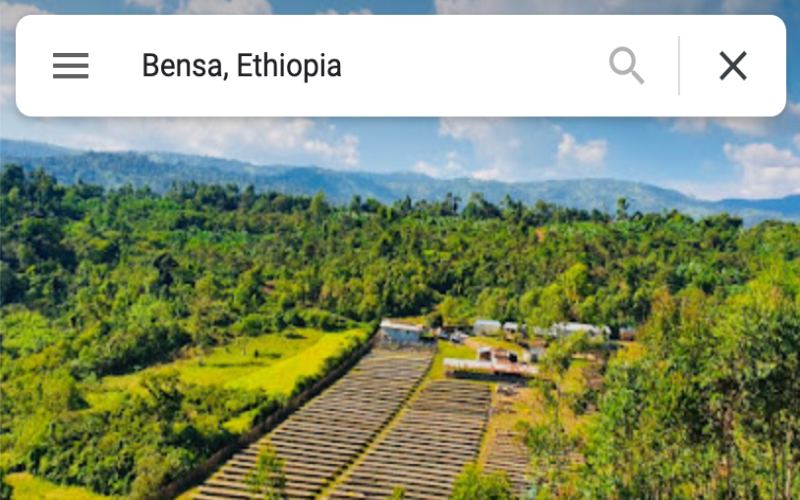
Is Coffee Considered Traditional Chinese Medicine? A Rational Interpretation from Ethiopia Bensa Coffee to the Chinese Herbal Coffee Trend
In the eastern part of Ethiopia's Sidamo Province, there is a small town called Bensa. Local coffee is exported under the town's name, jokingly dubbed "Bensa coffee," which has sparked an amusing meme: coffee is traditional Chinese medicine, and drinking more can promote health. Behind this joke, herbal coffee has indeed become a new consumer trend in recent years, with brands like Tongrentang launching products such as goji berry lattes and hawthorn-chenpi Americanos, attracting a large number of young consumers. However, blending traditional Chinese medicine with coffee is not something to be done casually; how to harmonize the flavors of medicinal herbs and coffee beans, and how to grasp the concept of medicine-food homology, are all worth serious discussion. This article will take you through the origins and development of this "herbal coffee" trend, as well as the issues that need attention. [more…]
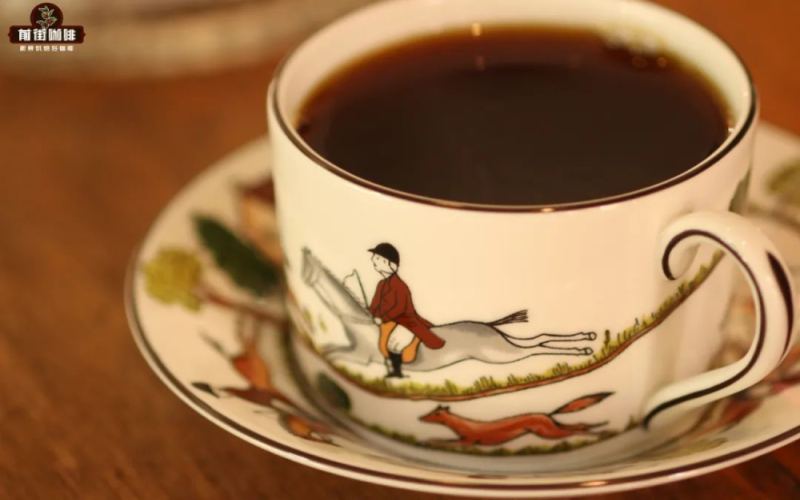
A Complete Analysis of Manual Brew Mandheling Parameters: Flavor Differences Between Lintong and Golden Mandheling and Extraction Techniques
Mandheling coffee is known for its low acidity, full body, and solid bitterness, but if brewed improperly, it can easily become an over-extracted cup of bitter "herbal tea." This article starts with two Indonesian Mandhelings on Front Street Coffee's bean list—Lintong Mandheling and PWN Golden Mandheling—comparing their respective flavor profiles, and around pour-over practice, breaks down in detail the key parameters including water temperature, coffee-to-water ratio, grind size, dripper selection, and the three-pour pouring technique. Whether you are a beginner just getting into dark-roasted beans or a seasoned player hoping to bring out layers in Mandheling, you can find reusable brewing approaches here to release the aroma and sweetness of Mandheling more fully. [more…]
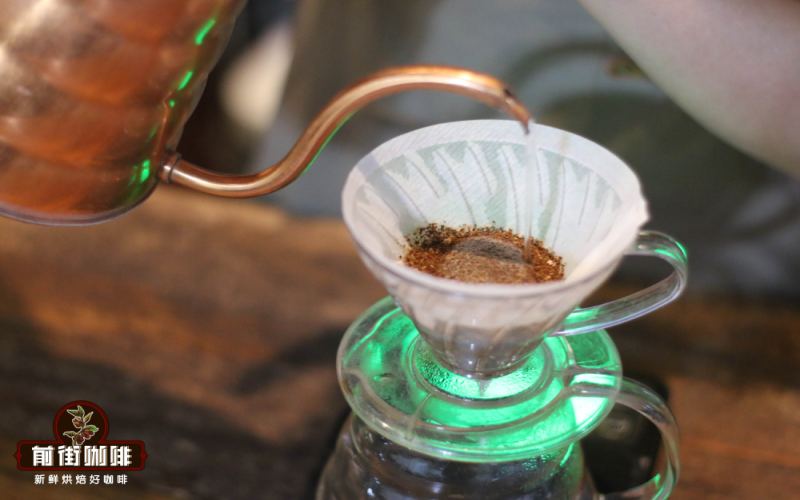
A Global Roundup of Classic Coffee Bean Flavors: Taste Profiles and Buying Guide for Ten Popular Producing Regions
In the world of specialty coffee, every bean carries the terroir imprint of its origin. From the Geisha of Panama's Hacienda La Esmeralda to Jamaica Blue Mountain, from Indonesian Mandheling to Ethiopian Yirgacheffe, different regions, varieties, and processing methods interweave into an ever-changing flavor spectrum. African beans tend to have bright acidity and floral aromas, while Asian beans lean toward herbal notes and a full body. Front Street Coffee (FrontStreet Coffee) understands the decisive role fresh roasting plays in flavor release, and insists on shipping within five days of completing the roast. This article reviews the ten most popular coffee beans in the store, presenting one by one their origin background, processing method, and the distinctive qualities of their cup flavor, for coffee lovers to reference when making a purchase. [more…]
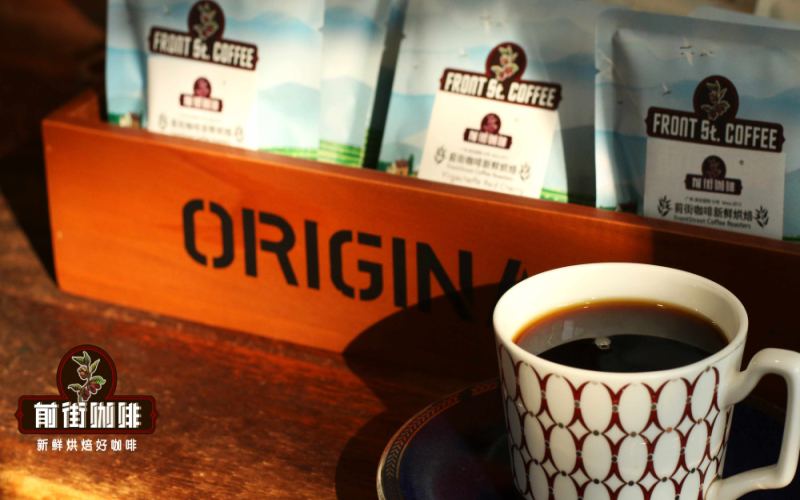
Who is light-roast floral coffee suitable for? A complete guide to bagged pour-over floral flavor beans
Many people first encounter coffee as a way to get caffeine for alertness, and their understanding of its flavor mostly stays at the level of strength and bitterness or acidity. However, the world of specialty coffee is far broader: African origins often bring bright citrus and berry acidity, Asian beans may show spice and herbal notes, Central and South American beans are mostly nutty and cocoa-like, and island coffees have a chocolate-like sweetness. In overturning the stereotype that "coffee equals bitter," floral- and fruity-style coffee beans have played a key role. These beans are usually given a light, medium-light, or medium roast, with a shorter time in the roaster than traditional dark roasts, greatly reducing caramelization reactions so that bitterness does not become too heavy while preserving precious floral and fruit notes. This article will sort out the consumer groups suited to this type of coffee and review eight bagged pour-over floral-flavor beans one by one, for both advanced enthusiasts and beginners just starting out. [more…]
Yunnan Catimor vs. Typica Pour-Over Comparison: A Complete Flavor Analysis from Origin and Variety to Roasting and Extraction
Yunnan, as the earliest coffee-growing region in China, boasts premium production areas such as Baoshan's Lujiangba, yet varietal differences profoundly influence pour-over flavor. This article begins with the historical origins of Catimor and Typica, the terroir of the production areas, and green bean characteristics, then meticulously documents the entire process of Catimor red cherry natural processing. Through multiple rounds of roasting curve cupping and three adjustments of pour-over parameters, it explores how to diminish Catimor's herbal and woody bitterness while preserving its steady fruit acidity and caramel sweetness. The article also compares the flavor trajectories of varieties such as Huaguoshan, making it suitable for pour-over enthusiasts seeking a deeper understanding of Yunnan coffee's varietal characteristics and extraction logic. [more…]
What Value Does Coffee Pulp Have? An Analysis of Cascara Coffee Cherry Tea's Production Method, Flavor Characteristics, and Caffeine Content
As the specialty coffee and tea beverage markets continue to evolve, an exotic drink called Cascara has gradually entered the public eye—it is precisely a cascara tea made from dried coffee fruit pulp. This beverage sits somewhere between coffee and tea, offering unique flavors of rosehip, hibiscus, and cherry, while containing far less caffeine than coffee. This article will provide a comprehensive analysis of the reuse value of coffee pulp, from the definition of Cascara, processing methods, flavor characteristics, caffeine data, and historical origins to brewing recipes, and will introduce Front Street Coffee's recommendations and product information for this category, helping coffee enthusiasts and shop owners understand this eco-friendly and novel beverage option. [more…]
Specialty Pour-Over Coffee Bean Buying Guide: Flavor Characteristics of Asia, Africa, and Latin America and Front Street Recommendations
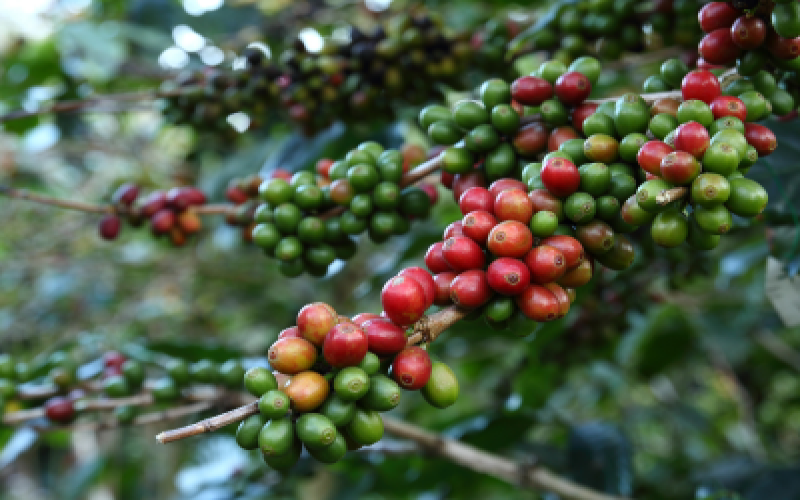
Global specialty coffee regions span Asia, Africa, and Latin America. These three continents, with their differing altitudes and climates, nurture strikingly different coffee flavors. Asian beans are known for their spice and herbal notes and full-bodied mouthfeel, African beans for their bright citrusy acidity and floral and fruity aromas, and Latin American beans for their balanced nutty and cocoa-toned character in between. Starting from the terroir of each region, this article analyzes the flavor characteristics of representative beans from each continent one by one, and recommends three of the most distinctive single-origin coffees—Front Street PWN Golden Mandheling, Front Street Washed Gutingting, and Front Street Brazil Queen's Estate—to help pour-over enthusiasts quickly find their ideal choice. [more…]
Pour-Over Coffee Beginner's Guide: Four Steps to Brew a Delicious Cup of Black Coffee
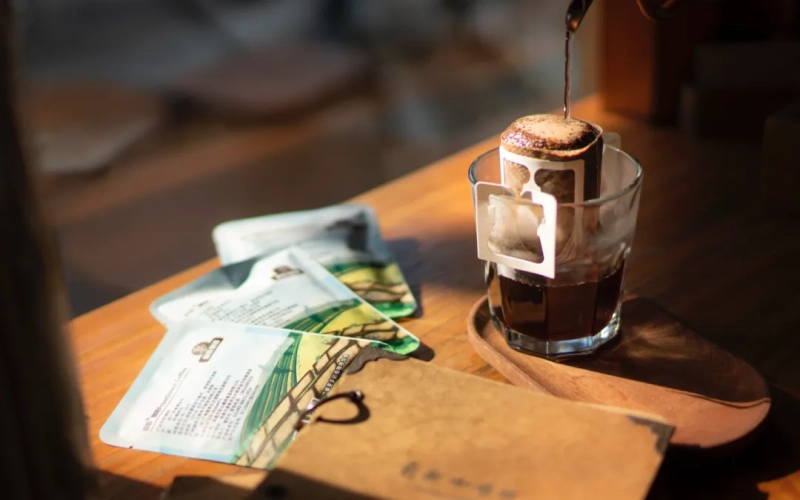
Want to drink pour-over coffee but don't know where to start? Drip bag coffee may be your best starting point. It comes with pre-ground coffee sealed in a filter bag—just tear open the packaging, pour in hot water, and in moments you'll have a cup of aromatic black coffee, both convenient and quick. Although it is in pre-ground form, drip bag coffee can still showcase the unique flavor characteristics of different regions, so you can choose according to your personal taste preferences. If you've just stepped into the world of specialty coffee and aren't yet familiar with the characteristics of various origins around the world, you might want to start with the Front Street Classic Five Origins Drip Bag Coffee Gift Box, which lets you experience the flavor differences of five well-known origins at once, covering the herbal spice of Indonesian Mandheling, the berry and oolong tea notes of Panama Butterfly, the citrus, lemon and floral aromas of Ethiopian Yirgacheffe, the nutty chocolate sweet finish of Honduras, and the dark plum juice-like quality of Kenyan Small Tomato. This article will also introduce in detail the four-step brewing method summarized by Front Street, helping you easily brew great-tasting coffee at home. [more…]
How to brew drip bag coffee so it tastes good? Illustrated standard operating procedure and practical tips analysis
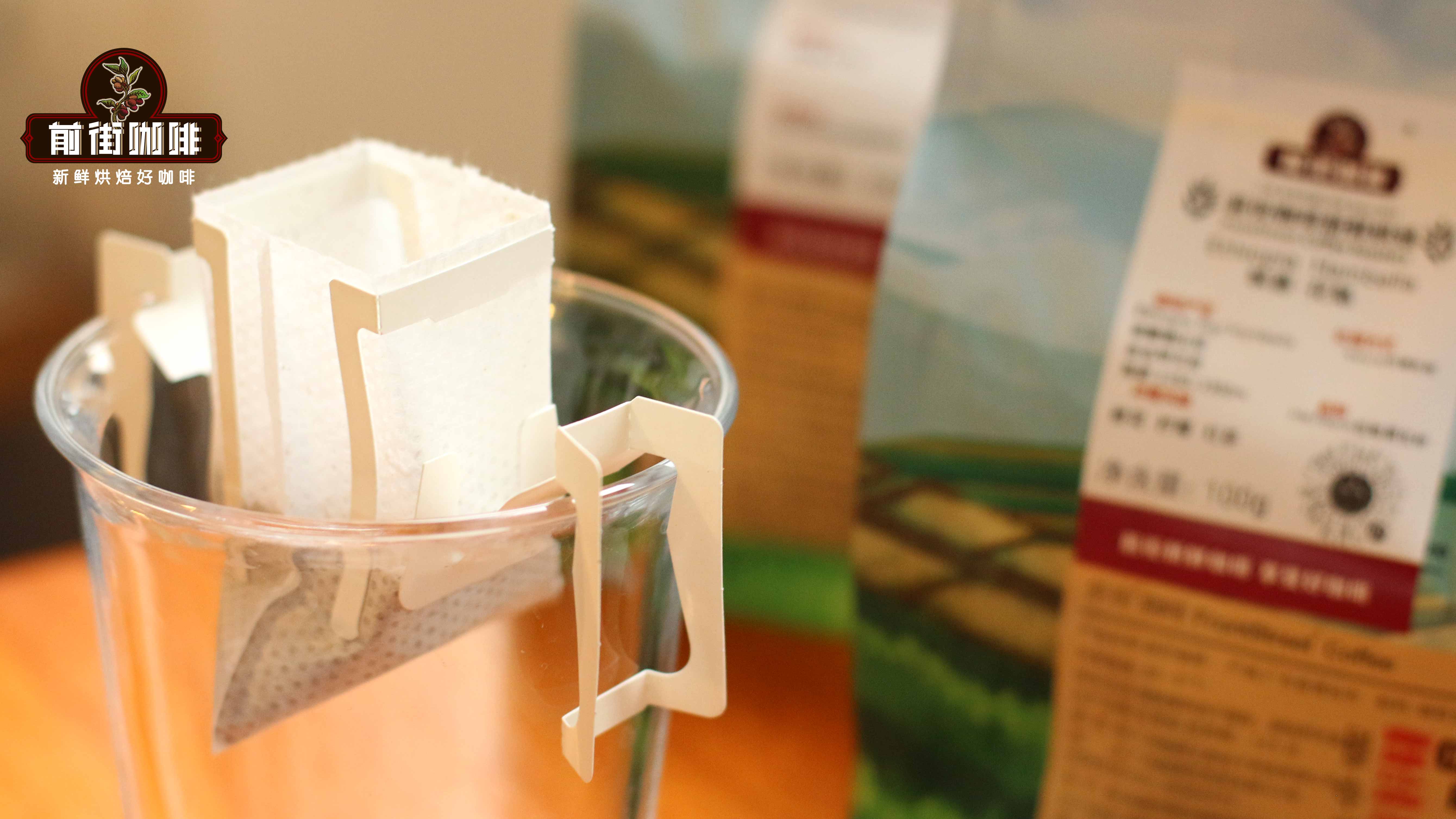
For coffee lovers who frequently travel for business, go on trips, or work in an office, it is not realistic to have a pour-over coffee anytime, so drip bag coffee has become an ideal substitute that balances convenience and flavor. However, although the drip bag looks simple, many people fail to grasp the key points when using it, and some even brew it directly in water like a tea bag, which naturally results in a weak and flavorless cup. This article will start with the origin of drip bag coffee, sort out its similarities and differences with pour-over, and include detailed step-by-step water-pouring illustrations to help you master the correct brewing rhythm. It will also explain the impact of key details such as water temperature and flow rate on extraction, and summarize the flavor characteristics of several popular Front Street Coffee drip bag products for reference when purchasing. [more…]
How to brew drip bag coffee for the best taste? Master three key details and the complete process
Drip bag coffee, with its portability and ease of use, has become the ideal choice to replace pour-over in business trips, travel, and office scenarios. However, seemingly simple drip bags can suffer a major loss of flavor if brewed incorrectly, such as steeping them directly like a tea bag. This article begins with the origins of drip bag coffee, sorts out its similarities and differences with pour-over, breaks down in detail the complete steps from tearing the bag and hanging it on the cup to segmented pouring, and highlights the three key points that determine taste: water temperature range, flow rate, and coffee-to-water ratio. The article also compiles the origins and flavor information of several Front Street Coffee drip bag products for reference by friends with different taste preferences. [more…]
The Origins and Craft of Aged Mandheling: From a Colonial-Era Accident to a Golden Mandheling Pour-Over Guide
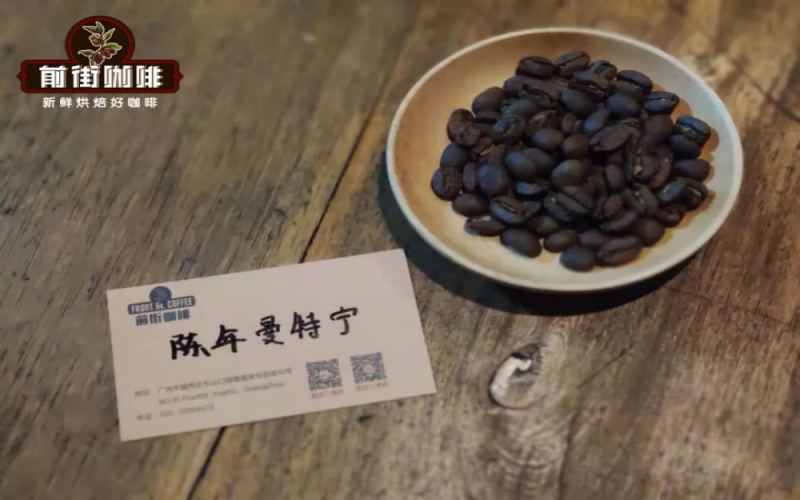
We usually seek out freshly roasted coffee beans, but Aged Mandheling is an exception—it is actually sought after precisely for being "expired." Behind this lies an accidental story from Indonesia's Dutch colonial period: when coffee beans were shipped across the ocean to Europe, the long sea voyage and exposure to sea breezes unexpectedly gave rise to a mellow sweetness and lingering finish reminiscent of Pu'er tea. Today, the production of Aged Mandheling has long been standardized: it requires wet-hulling, strict screening, and aging for 2 to 3 years in temperature- and humidity-controlled warehouses at the place of origin, allowing acidity to gradually recede and sugars to concentrate. Golden Mandheling, meanwhile, represents a higher standard, with PWN creating a specialty coffee far above G1 grade through one machine sorting and three hand sortings. Front Street Coffee captured layers of nut, dark chocolate, caramel, and herbal spice flavors in cupping. This article will also share Front Street Coffee's barista's three-pour hand-brew parameters and technique for dark-roasted Mandheling, taking you through a complete tasting of this legendary coffee. [more…]
Is Kopi Luwak Considered Black Coffee? Exploring the Acidity of Civet Coffee and Pour-Over Methods
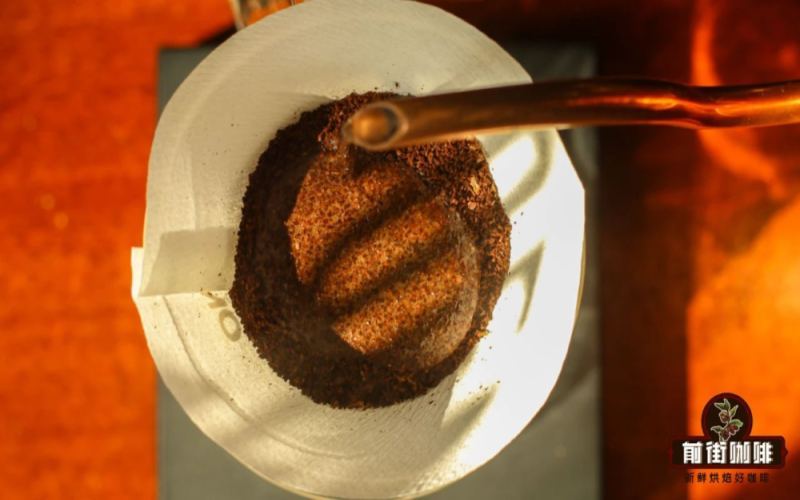
Kopi Luwak, also known as civet coffee, is a special coffee processing method native to Indonesia. Because the coffee beans ferment inside the civet's body, the coffee carries herbal aromas and a mellow mouthfeel, and it is expensive. This article will begin with the definition of Kopi Luwak, explain whether it belongs to black coffee, analyze the source of its acidity, and share Front Street Coffee's brewing suggestions and flavor description, while also discussing its scarcity and alternative choices. [more…]
Yunnan small-bean coffee: growing region conditions, variety characteristics, pour-over recommendations, and flavor analysis
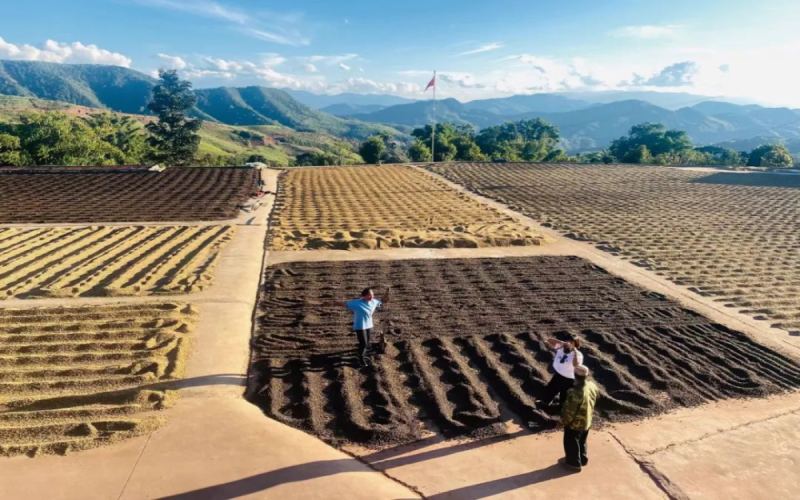
Southern Yunnan, with its low latitude, high altitude, and pronounced day-night temperature difference, has become the most suitable region in China for growing high-quality Arabica coffee. Local coffee is mostly distributed in dry-hot river valleys at elevations of 1,000 to 2,000 meters, and its flavor is characterized by moderate acidity, rich aroma, and full body. Currently, more than 90% of the varieties grown in Yunnan are Catimor, while in recent years specialty varieties such as Typica have regained attention. The 2013 sun-dried Red Cherry Typica produced by Front Street Coffee Estate uses traditional sun-drying and presents citrus, berry, fermented wine aromas, and a caramel-cream finish. This article will systematically review the tasting and usage methods of Yunnan Arabica coffee, from regional terroir and variety classification to flavor characteristics and espresso blending ideas. [more…]

Key Points for Brewing Drip Bag Coffee | Which Single-Origin Beans Are Suitable for Making Drip Coffee Bags? An Introduction to Brewing Methods, Water Temperature, and Water Volume for Drip Coffee Bags
For friends who love drinking black coffee, when traveling for business or pleasure, or while at work, making a pour-over for yourself is quite inconvenient, so drip bag coffee is the obvious choice. Of course, as people's love of coffee has grown beyond simply enjoying a cup at a café, more and more they pursue the pleasure of brewing at home. [more…]
What Is the Flavor of Yunnan Huaguoshan Small-Bean Coffee? Arabica Small-Bean Processing Methods and French Press Brewing Steps
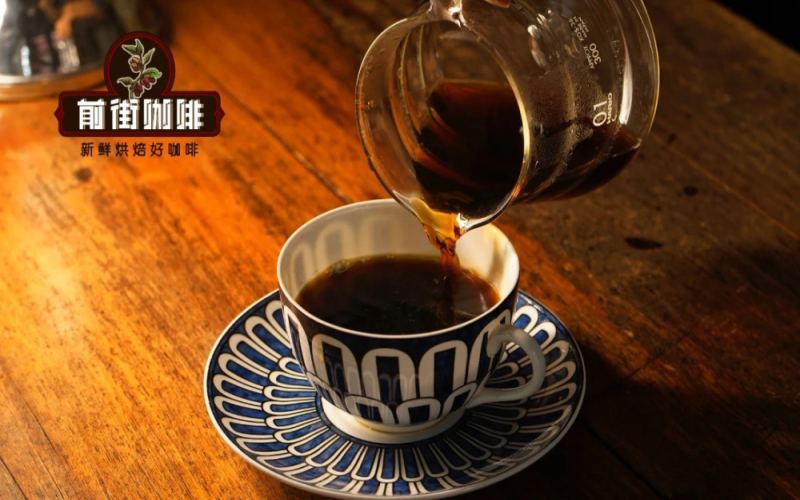
The flavor profile of Yunnan coffee tends to be balanced, combining acidity, sweetness, and bitterness. When presented with a medium roast, it can highlight chocolate notes while retaining some acidity. Front Street Coffee offers two Yunnan coffees: one presents nutty, herbal aromas, brown sugar sweetness, and plum acidity, with a balanced mouthfeel, suitable for entry-level pour-over; the other, a sun-dried Typica, features higher fruity and melon sweetness, berry acidity, black tea-like fullness, and chocolatey depth, with a clean finish. This article starts with the evolution of Yunnan coffee varieties, explains why Typica was replaced by Catimor, and introduces Front Street Coffee's 2013 sun-dried Typica grown in Lincang, along with complete French press brewing steps for coffee enthusiasts' reference. [more…]
Indonesian Sumatra PWN Golden Mandheling G1 Coffee Beans: A Complete Flavor Analysis from Origin to Medium-Dark Roast Pour-Over Extraction
Mandheling, as a classic representative of dark-roasted coffee, is loved by some for its rich, bold intensity, while others find it too bitter. A delicious cup of Mandheling depends on high-quality green beans, the roaster's attention to detail, and a suitable extraction method. This article focuses on the Front Street Golden Mandheling G1 coffee beans produced by Indonesia's PWN company, introducing their origin background and grading and sorting process, analyzing why they are regarded as a representative of specialty Mandheling, and explaining how the wet-hulling process shapes herbal, spicy, and dark chocolate flavors. At the same time, the article also clearly explains the logic behind choosing the roast level for Golden Mandheling, and includes the pour-over parameters and brewing techniques recommended by Front Street Coffee, helping coffee enthusiasts recreate the classic Mandheling taste at home. [more…]
How to Choose Beans for Pour-Over Coffee Beginners? A Detailed Explanation of the Difference Between Single-Origin and Blends, Plus Three Representative Front Street Beans Including Indonesian Mandheling
To get started with pour-over coffee, the first step is to figure out which beans to use. Coffee beans are broadly divided into two categories: single-origin and blends. The former is better suited to filter-style pour-over, while the latter is mostly used for pressurized espresso extraction. For those just getting into pour-over, Front Street recommends starting with three representative coffee beans: Colombia Front Street Huila, Indonesia Front Street Mandheling, and Ethiopia Front Street Yirgacheffe. These three beans correspond to three completely different flavor directions—nutty chocolate, spicy herbal, and floral-fruity aroma—respectively. Tasting them side by side allows you to directly feel the differences in acidity, balance, and bitterness, and makes it easier to find the flavor you prefer. This article introduces their characteristics one by one, as a reference when choosing beans. [more…]
Yunnan Huaguoshan Small Bean Coffee Flavor Review and French Press Brewing Steps Explained
Yunnan coffee has always been known for its balanced flavor, combining acidity, sweetness, and bitterness, with chocolate notes and fruity acidity coexisting under a medium roast. Front Street Coffee currently has two representative Yunnan beans: one is an entry-level pour-over bean with nutty and herbal notes, brown sugar sweetness, and plum acidity; the other is a 2013 sun-dried Typica, featuring prominent melon sweetness, bright berry acidity, black tea-like body, and a clean finish. Early Yunnan Typica was extensively cut down due to leaf rust and low yield, replaced by the disease-resistant and high-yielding Catimor, and today over 90% of Yunnan's coffee trees are Catimor. Front Street persists in growing pure Typica in Lincang, naming it "Front Street 2013 Sun-Dried Typica." This article will also break down in detail the seven steps of brewing Yunnan coffee with a French press, from grinding ratio to pressing timing, helping you easily make a great cup of coffee. [more…]